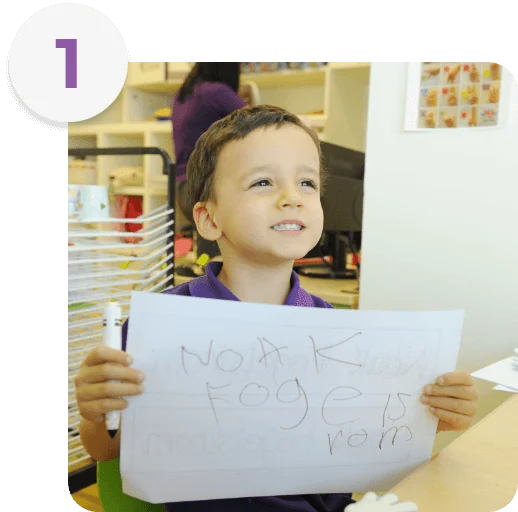
Bright classrooms spark curiosity when children explore, experiment, and discover new ideas. However, poorly made learning materials may limit creativity, interrupt activities, and frustrate young learners. Price alone rarely reflects educational value.
Parents and educators exploring EYFS Dubai resources should look beyond initial savings and consider quality, safety, durability, and developmental benefits that support meaningful childhood learning.
Poor quality materials limit creativity
Children learn through touch, movement, imagination, and exploration. Flimsy puzzles, faded picture cards, and poorly designed activity sheets restrict engagement and make lessons less enjoyable. High quality resources encourage children to experiment, solve problems, and express ideas freely. Thoughtfully designed materials support curiosity while helping teachers introduce concepts through practical and enjoyable classroom experiences.
Cheap products create safety concerns
Safety remains essential when selecting resources for young children. Low cost products may contain sharp edges, loose components, toxic materials, or weak construction. Small pieces also present choking hazards during play. Educators should inspect materials carefully and select products that meet recognised safety standards.
Frequent replacements increase expenses
Low priced resources may wear out quickly under daily classroom use. Torn books, broken toys, damaged manipulatives, and missing pieces force teachers to replace materials repeatedly. Such expenses gradually exceed the original purchase price. Durable resources withstand regular handling, support long term classroom use, and help schools manage budgets with greater efficiency.
Limited learning value affects development
Educational resources should support age appropriate learning objectives across communication, mathematics, physical development, creativity, and social interaction. Cheap materials with repetitive tasks or unclear instructions may offer limited developmental benefits. Well-designed resources encourage independent thinking, problem solving, language development, and active participation. Children gain valuable experiences when materials match their interests and developmental stages.
Poor design increases teacher workload
Teachers spend valuable classroom time preparing activities and guiding young learners. Resources with unclear instructions, unsuitable formats, or missing components require additional preparation. Well organized materials support smooth lesson delivery and reduce unnecessary frustration. Teachers gain additional time to observe children, provide individual guidance, and encourage meaningful classroom interactions.
Smart purchasing decisions focus on educational value, durability, safety, and versatility. Schools should evaluate materials before purchase, read product specifications, and consider feedback from educators. Quality resources support multiple activities and adapt to different learning stages. Investing in reliable materials gives children richer classroom experiences while helping schools maintain consistent educational standards and responsible spending.