Standard steel components cannot always meet the demands of a project with unusual dimensions, complex layouts, or specialized structural requirements. Custom fabrication lets steel be cut, shaped, welded, and assembled to specific drawings and performance needs, giving designers more freedom without compromising structural integrity.
Detailed measurements, material selection, fabrication methods, and quality checks all influence the final result. Custom steel fabrication can therefore accommodate unique designs, site conditions, load requirements, and functional specifications that standard components may not address.
Design consultation and project review
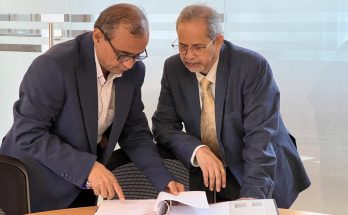
Every custom fabrication project starts with a clear discussion between the client, designer, and fabrication team. The team reviews drawings, dimensions, material grades, load requirements, connection details, surface finishes, and installation conditions.
Fabricators also examine project specifications to identify technical challenges before production starts. This exchange gives the workshop a clear understanding of the desired result and helps align fabrication methods with the project’s technical goals.
Custom drawings and engineering details
Fabricators convert client concepts into detailed shop drawings that guide production. These drawings show exact measurements, joint locations, hole positions, bends, weld details, and connection points.
Engineers review the design against structural requirements and available materials. Digital modeling also helps teams identify clashes or dimensional issues before cutting begins. Clients gain a clear visual reference and can approve the proposed configuration before fabrication moves ahead.
Accurate cutting and forming
Custom steel components require accurate cutting and forming to match approved drawings. Modern fabrication shops use CNC machines, plasma cutters, laser systems, press brakes, and other specialized equipment to achieve consistent dimensions.
Operators adjust machine settings according to material thickness and component geometry. This precision supports clean assembly and reduces material waste, especially when a project includes unusual shapes or tightly controlled measurements.
Specialized welding and assembly
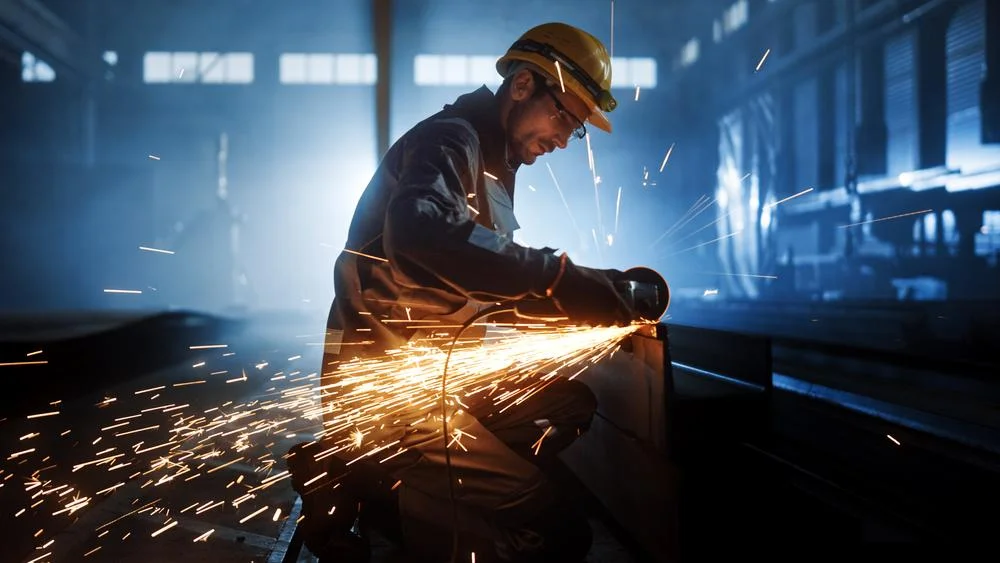
Welding teams select techniques according to steel grade, thickness, joint configuration, and project specifications. Skilled welders assemble custom sections while maintaining dimensional accuracy throughout production.
Fabricators may use fixtures and temporary supports to hold components in the correct position during welding. Quality inspectors then examine welds, measurements, and alignment before the finished sections move toward surface treatment or delivery.
Steel fabrication gives designers considerable freedom when standard components cannot satisfy a project’s requirements. Experienced fabrication teams combine engineering knowledge, modern machinery, skilled workmanship, and quality checks to produce components that match distinctive specifications. From unusual structural members to specialized architectural details, custom fabrication turns detailed concepts into dependable steel solutions ready for demanding applications.