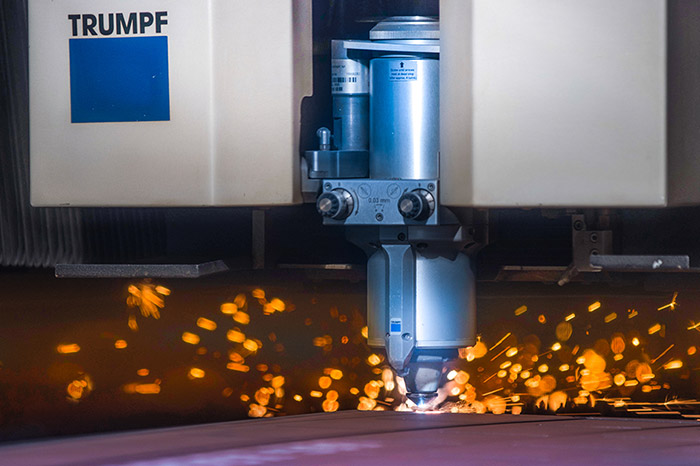
A laser beam cuts through metal with accuracy, but the final bill leaves many people scratching their heads. Material type, design complexity, and machine time all play a role in determining the final invoice amount. Shop around and compare quotes because prices vary widely between different workshops. This breakdown clarifies exactly what influences the price of a laser cutting service.
Material thickness and type:
Steel, aluminum, brass, and copper each react differently to the laser beam during the cutting process. Thicker materials demand higher power settings and slower cutting speeds to achieve clean edges without burn marks. Reflective metals like copper or brass require specialized equipment and extra care to prevent beam reflection damage. Exotic alloys need advanced gas mixtures and particular focus adjustments for proper penetration. The base material alone accounts for a significant portion of the total project expense.
Design complexity and detail work:
Intricate patterns with sharp corners and tight radii take longer to process than simple straight-line cuts. Each hole, notch, or curve adds processing time because the laser head must change direction frequently. Complex geometries cause the machine to slow down considerably to maintain accuracy on delicate features. The total length of the cutting path directly correlates with the time spent on each workpiece. Simplified designs reduce production hours and lower the overall cost dramatically.
Cutting speed and machine time:
Modern laser cutters operate at different power levels, which affects the speed of material processing. High-power machines cut faster but consume more electricity and require expensive maintenance between jobs. Slower speeds produce smoother edges but increase the hourly rate charged to customers. The total machine time includes setup, alignment, and cleanup between different production runs. Efficient scheduling and batch processing reduce idle time and lower the price per part.
Gas consumption and auxiliary costs:
Laser cutting uses assist gases like oxygen, nitrogen, or compressed air to blow molten material away. Nitrogen provides clean edges for stainless steel but costs considerably beyond standard compressed air. Oxygen creates a chemical reaction that speeds up cutting but leaves a darker edge finish. The gas flow rate and pressure settings influence both cut quality and the total gas bill. High-pressure systems consume larger volumes and increase the operational expenses passed to the customer.